
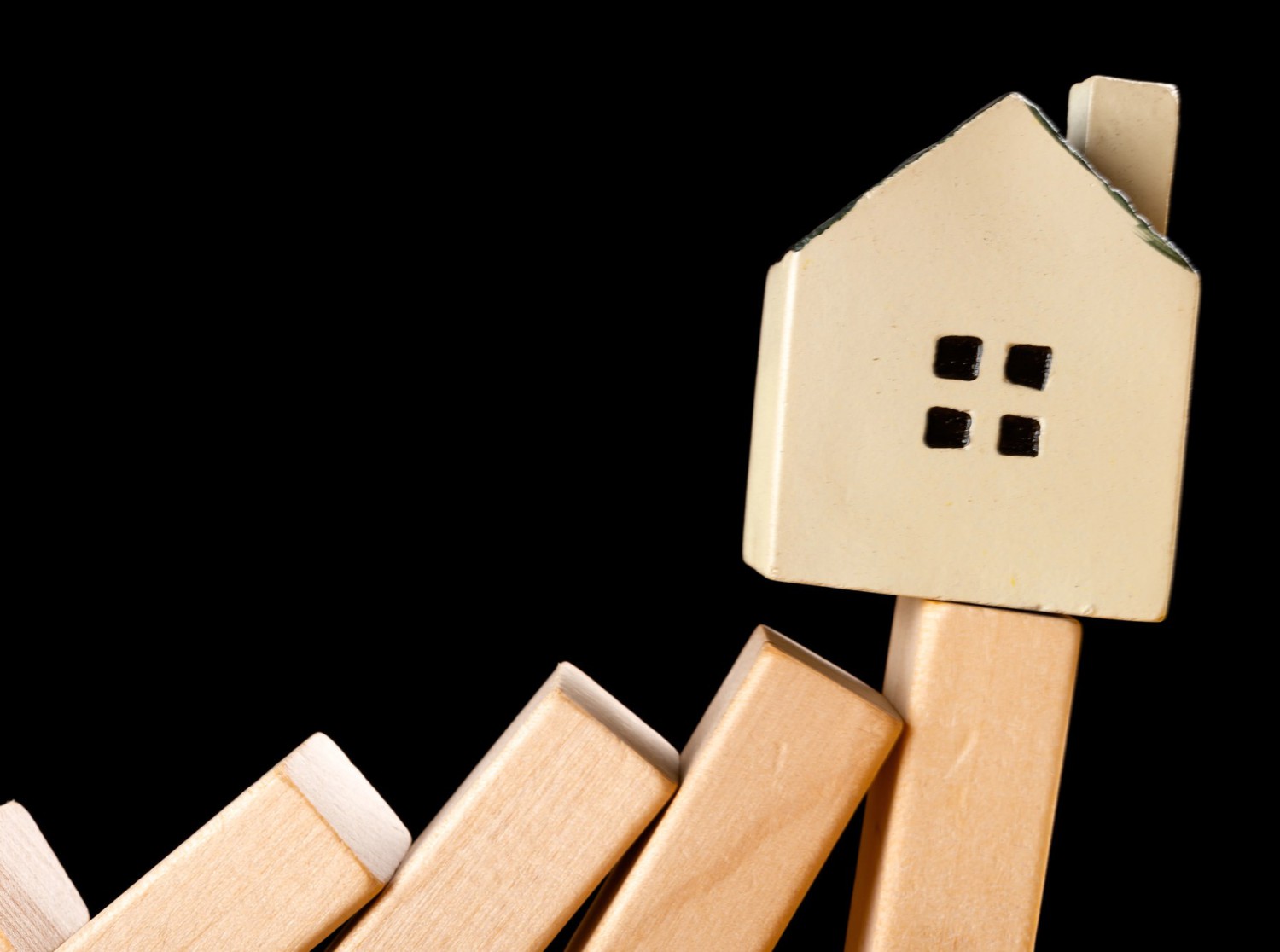
Some properties are associated with certain risks: they may be underestimated… or exaggerated. And if a homeowner fails to take these risks into account, they can quickly become disenchanted with what initially seemed like a great purchase.
But before you abandon the idea, it’s worth noting that purchasing a property in a high-risk area can sometimes be a smart move. It all depends on how well informed you are… and which experts you consult.
Flood Risk Zones: More Than an Inconvenience
In Quebec, periods of heavy rain and spring flooding have become increasingly common. A house located in a flood-prone area might seem like a good deal (they’re typically cheaper), but buying one involves serious implications.
In practical terms, this may mean:
- limited home insurance coverage, if any at all;
- higher premiums;
- home renovation or extension restrictions;
- harder resale;
- loss in property value;
- and, of course, potential flooding!
When considering buying in a flood-prone area, consulting an insurance broker is indispensable to understand precisely what kind of coverage you can obtain. You should also contact the municipality to find out which bylaws the lot is subject to.
The Presence of Hazardous Materials and Contaminants
Older properties may contain materials that are now known to be hazardous to human health, such as asbestos in insulation, walls, or floor tiles.
In other cases, fungi or toxic mould may be growing.
This type of risk can lead to:
- expensive decontamination work;
- health problems for the occupants;
- challenging resale or renovations.
It may be necessary to call in a specialist air quality inspector or a decontamination expert to get a full picture of the situation. Tests can help detect traces of asbestos, mould, or other contaminants that are invisible to the naked eye.
The purchaser must ensure they are paying a price that accurately reflects the home’s true condition.
Unstable Ground: An Invisible Risk
Homes may be constructed on clay soil or soil prone to shifting or settling.
On the surface, everything seems perfect. However, over time, cracks can appear, the foundation can shift, and repair costs can quickly add up.
Here are a few things to look out for during a visit:
- cracks in the walls or foundation;
- doors and windows that don’t shut properly;
- slightly slanting floors.
In such cases, negotiating a more appropriate price before closing the deal becomes essential, as does seeking the advice of:
- a structural engineer to assess the building’s stability;
- a building inspector to spot the early warning signs.
Potentially Contaminated Land
Neighbourhoods may be built on land that was previously zoned for commercial or industrial uses, such as gas stations, automotive service centres, factories, or former landfill sites.
Although the area is now residential, contaminants may remain in the soil.
This type of risk can lead to:
- difficulties in securing financing or obtaining certain forms of insurance;
- a fall in the property’s value and complications when reselling;
- very costly decontamination.
Hiring an environmental expert is often recommended to obtain a clearer understanding of the situation. They can carry out soil analyses and determine if any traces of contaminants are present and if this constitutes a risk to human health or to the property.
A Waterfront Home: A Charming Feature That Comes at a Price
Many people dream of living by the water. That said, these properties can also come with their fair share of challenges.
In addition to the risk of flooding, one must consider:
- bank erosion (which can reduce the size of your lot and bring the water closer to your house);
- environmental restrictions (a property owner must often comply with strict natural habitat protection regulations);
- extra land maintenance work (this may include cutting dead trees or erecting more fences to keep out wild animals).
Consulting a surveyor before buying is recommended to confirm the lot’s boundaries and the perimeters of any conservation areas. A real estate broker can also help you check for any restrictions.
Landslide Risk Zones
Less well known, but very much a reality in Quebec! Some neighbourhoods are prone to landslides, particularly those bordering embankments or cliffs.
This type of risk can lead to:
- a significant loss of property value;
- strict building restrictions;
- expensive necessary soil stabilization work.
To accurately evaluate the condition of the land, consulting a geotechnical engineer for an assessment is usually required. This specialist analyzes the soil composition and the actual risk of landslides.
A Question of Strategy, Not Just Prudence
You won’t necessarily be making a poor decision by buying a house or a condo in a high-risk area. In some cases, it can, with adequate preparation, even turn out to be an excellent opportunity.
Just keep the following main points in mind: surround yourself with the right experts, ask the right questions, and understand the long-term implications. A real estate broker can also play an important role in directing the future homeowner towards the right resources.